
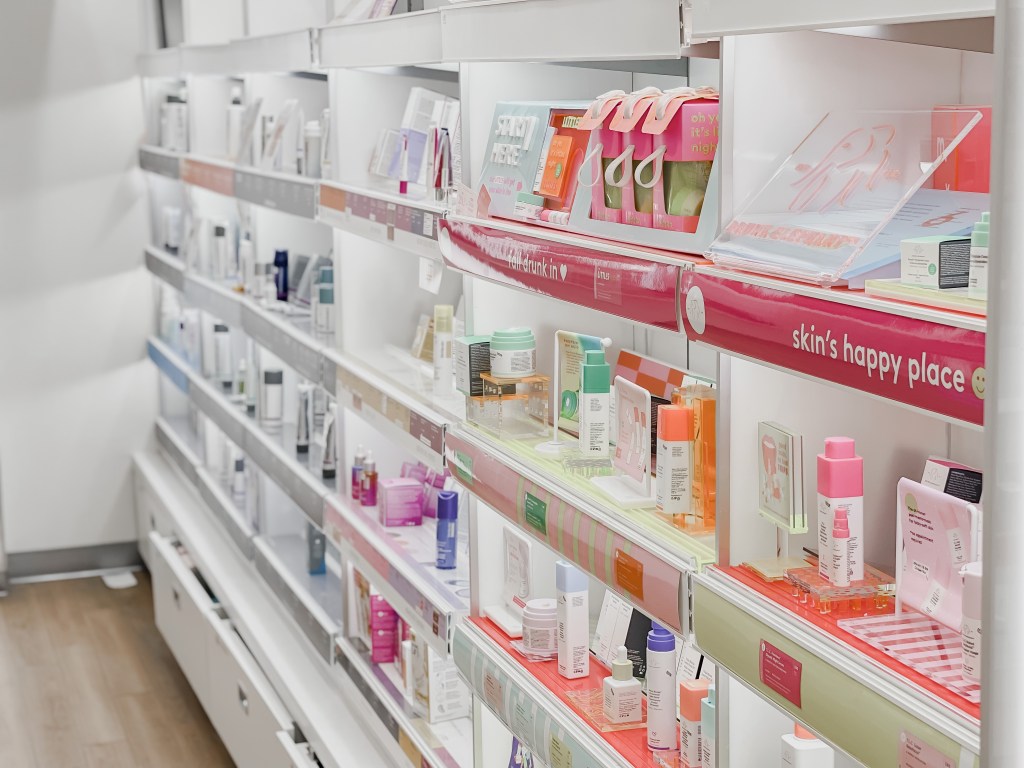
Walking into a retail beauty store can feel overwhelming. Especially if you are a newbie to the world of skincare and beauty products. However if you have a good understanding of what your skin type is, it will help to narrow down your selection process.
Do you know what your skin type is? It’s ok if you don’t! In fact most most people don’t really know their true skin type. Especially because it can change depending on age, lifestyle, where you live geographically and even with diet.
How many times have you had someone suggest this amazing product for you to use because it “worked wonders on their skin and you have to try it!” Only to have a terrible reaction and outcome for yourself? The first step to prevent that from happening, and to taking proper care of your skin is knowing what your skin type is. Once you learn about and understand that, it will be MUCH easier to customize the right home care products to fit both your lifestyle, and your budget! By understanding what type of ingredients will work best with your skin type and conditions can help to eliminate unnecessary purchases of products that don’t work for you.

There are 5 basic skin types. And within these skin types are also different skin conditions such as acne, rosacea, psoriasis etc. We will save that discussion for another post, for now we will only focus on the basic skin types which are:
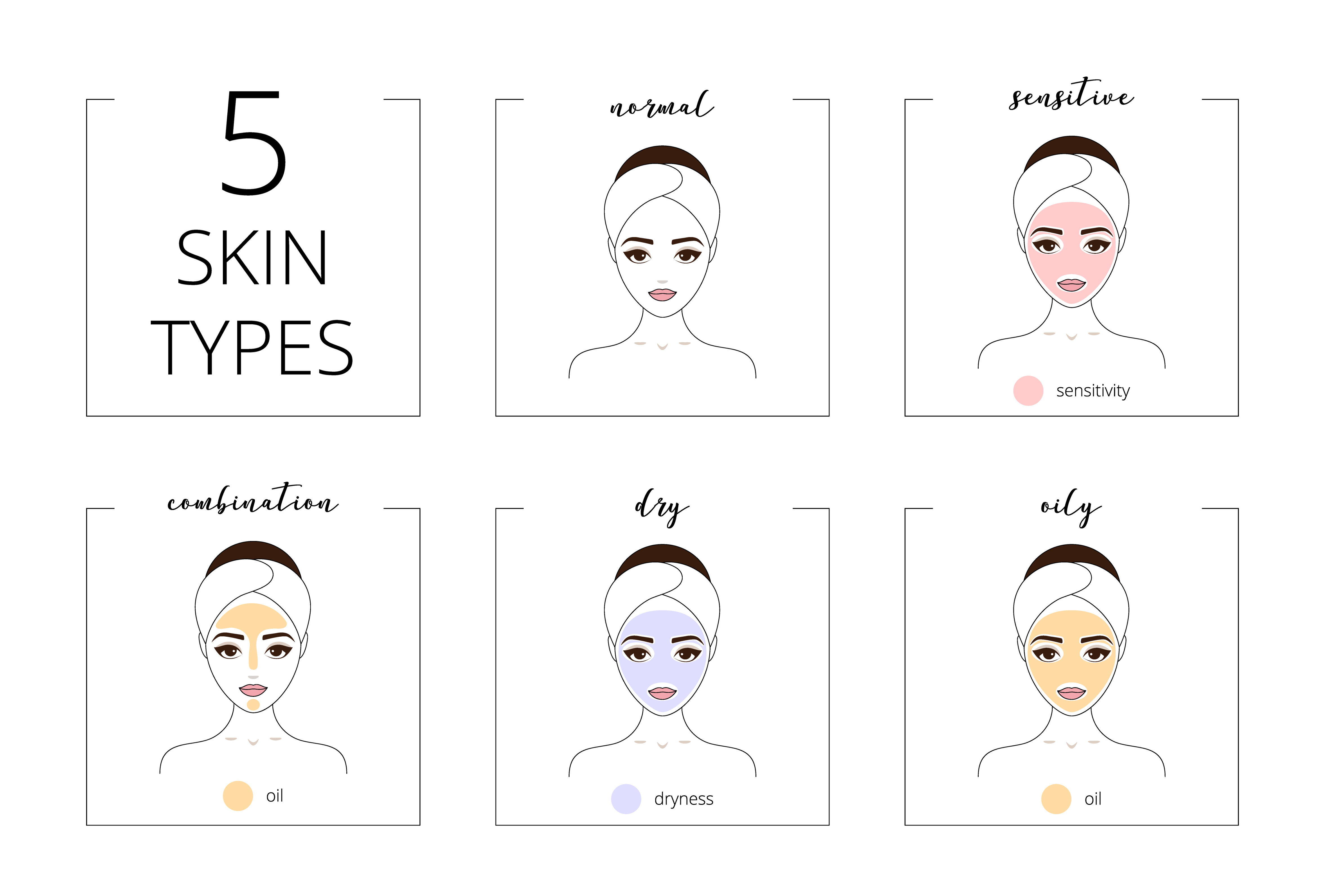
Normal– Believe it or not a ”normal” skin type is actually the least normal skin type around. It is very rare to have this skin type. But kudos to you if you do! You are a lucky individual! A normal skin type is not dry nor oily. They have very little to almost no blemishes on their skin. They can use most beauty and skincare products without any major side effects. Your primary goal when managing a normal skin type is to keep it the same. It is all about preventative products and treatments such as a daily SPF, hydrating masks and moisturizers, and a mild exfoliating serum to prevent blemishes from showing up.
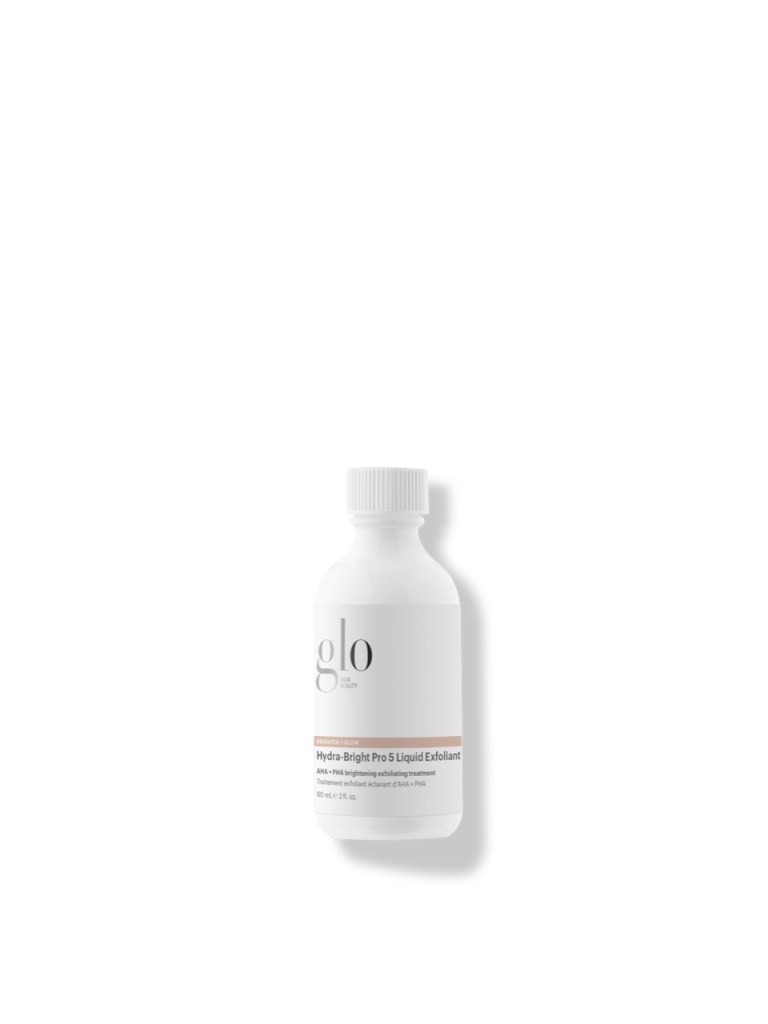
Sensitive– Keep in mind that the term ”sensitive” skin is not technically defined as a medical condition. It is more of a lay term to describe a skin type for people who’s skin becomes easily irritated from topical products. This can lead to irritant reactions such as rashes, reddened and sometimes slightly swollen skin. And sometimes even allergic reactions. This skin type can be tricky to buy products for and treat. Especially if you are trying to treat acne. You need gentle sooting ingredients while at the same time something a bit stronger to help to kill the bacteria and exfoliate dead skin cells which can lead to clogged pores and breakouts. Look for soothing calming ingredients such as chamomile, cucumber, squalene, and green tea. Opt for gentle chemical exfoliants such as lactic acid instead of glycolic, or salicylic. Even better however is a newer technology called PHA’s (poly-hydroxy acids). PHA’s are very excellent for use in helping to treat sensitive skin care. My personal favorite is the Hydra-Bright Pro 5 Liquid Exfoliant from Glo Skin Beauty. You can use this product 2-3 times a week and have glowing healthy skin!
Combination (dry or oily)- Just as it sounds combination skin is a mix of two different skin types. Typically though it is dry and flaky skin around the parameter of your face (hairline, by the ears, and jawline) and the T-zone of the face is oily. If you are unaware of where the T-zone is just draw a horizontal line across your forehead and vertical line down your nose to resemble a ”T”.

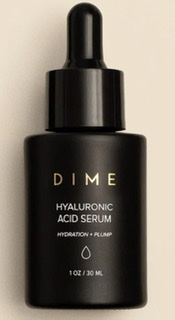
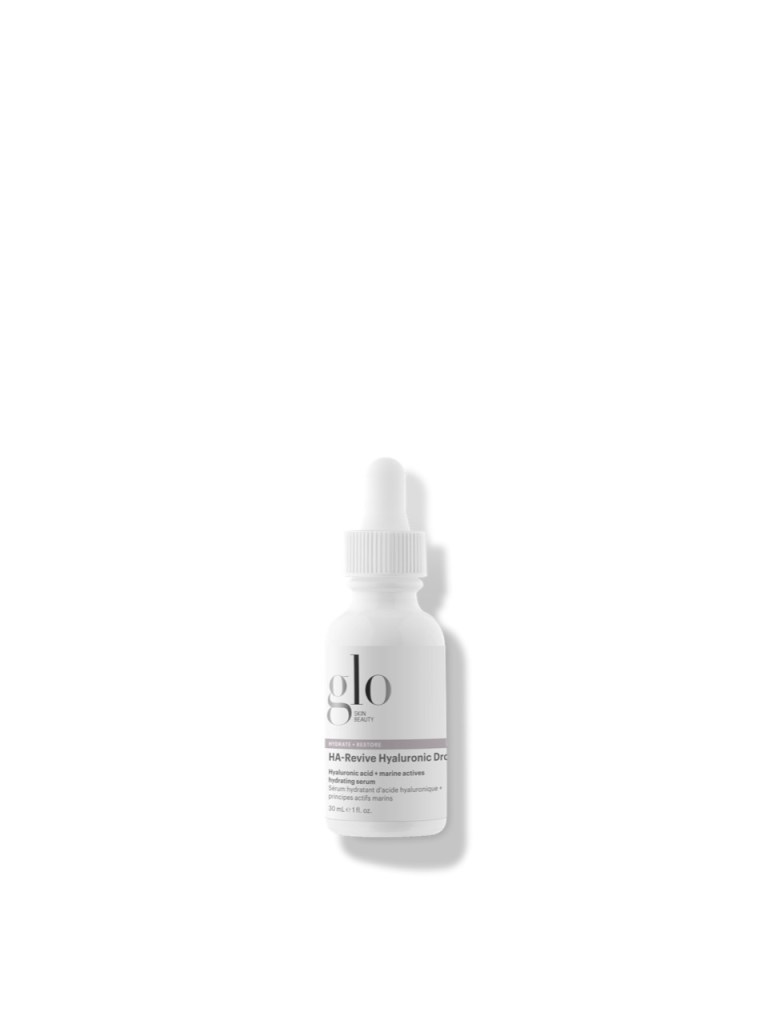
Hydrating products are key for this particular skin type! Hyaluronic acid is perfect to hydrate the dry skin without creating more oil in the T-zone (my current favorite is this one from Dime Beauty and this one from Glo Skin Beauty. Exfoliation is also important for this skin type. The flaky dry skin can build up and mix in with oil from the T-zone leading to clogged pores. An enzyme based mask is great for this skin type. And a manual exfoliant using gentle Jojoba beads works great too!
Dry– Don’t be confused when it comes to ”Dry” skin vs. “dehydrated” skin. True dry skin lacks oil, whereas dehydrated skin lacks water. The two are different and need different products to balance itself out. Dry skin can become very tight and flaky whereas dehydrated skin can still be oily, and sometimes become even oilier than usual as it is trying to compensate for the lack of water. A heavier moisturizer and night cream is needed for dry skin, and regular exfoliation is very important. By exfoliating on a regular basis (2-3 x a week) will help to make the skin become tighter and more packed which leads to better oil and water retention in the skin. Sometimes dry skin can become sensitive so it is important that if you are extremely dry, to start off with more gentle exfoliating products (like the PHA’s). And use hydrating ingredients such as squalane, vitamin E, and shea butters. More importantly it is crucial to stay away from products like bar soap, and alcohol based cleansers and toners. These products and ingredients can strip oils away from the skin. Heavier moisturizers and face creams like This one from TULA Skincare is a great option for both day and night! Plus the probiotics in this product can help to calm irritation from being dry.
Oily– An oily skin type is just as it sounds. Oily. Many people believe that their skin is oily when in fact their skin is actually dehydrated. As stated earlier if your skin is dehydrated it will stimulate your oil glands to compensate for a lack of water so it will not dry out. You can determine if your skin is a true oily skin type by:
- Pore size. If your pores are enlarged and similar in texture to that of an orange peel. Overtime our pores become enlarged because they are being stretched out from the amount of sebum (or oil) secreting out of our skin.
- Your water consumption is good but your skin still feels slick and shiny.
- You feel as though you need to cleanse your skin throughout the day do remove the excess shine and oil.
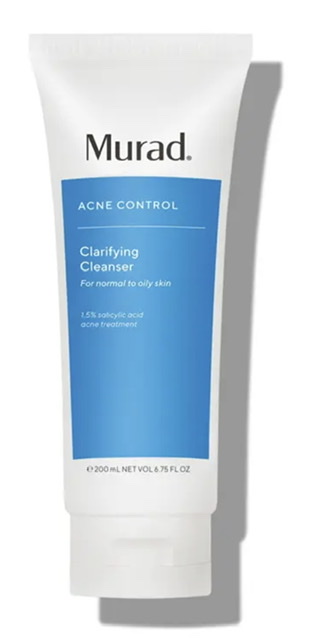
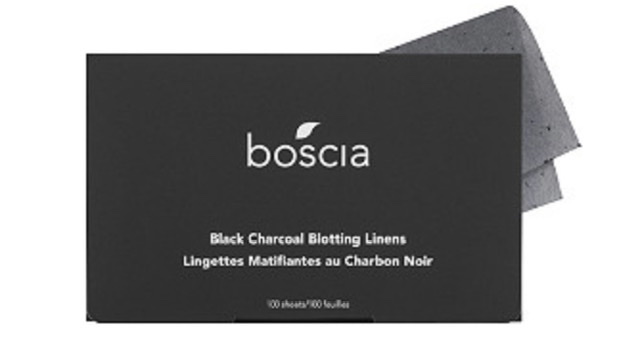
If you said yes to at least 2 of these then yes you have oily skin! Gentle foaming cleansers (like this one) with salicylic acids are great for oily skin types. Salicylic acid is an oil loving ingredient meaning it will help to dissolve and control excess oil production on the skin. Oils in our skin are still very important. When balanced not only do they add a layer of natural protection from pollutants in the air, but they also help to ”lift” dirt and debris from the skin. The problem occurs when an excess amount of oil is being secreted. It starts to overfill and clog our pores mixing in with dirt and debris which in turn leads to blackheads and inflammatory acne. I’m a huge fan of oil absorbing blotting sheets to help to remove excess oil throughout the day. (Ain’t nobody got time for multiple face cleansing in a day!). This one I found at Ulta Beauty is also charcoal based which helps with detoxifying the skin as well!
Hopefully this is a good intro into this exciting (and to be honest very confusing) world of skincare!
Have any questions? Leave a comment and let me know!


 The Resident Esthetician